
Manufacturing is a big focus for us here at LiveSpace.
At this years National Manufacturing Summit at the Manufacturing Technology Centre, I had the pleasure of meeting Anni Toner, CEO at The Data Shack. Anni provided some fascinating insights into the future of manufacturing.
Anni has real expertise in understanding how AI and data science is shaping the way factories operate, drive efficiency, and foster innovation.
Her emphasis on the rapid adoption of smart technologies is a wake-up call. I felt it would be helpful to share some of the big issues as she sees them.
AI ADOPTION AND THE SMART FACTORY
2024 has been a breakthrough year for AI in manufacturing. As Anni explained, the industry is no longer questioning whether to integrate smart technologies but how to do it effectively.
With AI ranked as the fourth highest priority for manufacturing leaders, there’s a clear directive to move quickly. But, despite the obvious enthusiasm for AI, many manufacturers are unsure where to start.
Research from The Manufacturer recently found that 63% of firms don’t have a clear strategy for AI deployment.
This uncertainty can lead to rushed decisions and ineffective implementations, mirroring the hype cycles of previous technological waves like IoT and Big Data.
The key is to avoid the trap of adopting technology for the sake of it. Instead, focussing on value-led projects that deliver tangible business benefits is what’s called for.
INTEGRATING PROVEN METHODOLOGIES WITH AI
Anni stressed the importance of not discarding established methodologies like Six Sigma in the rush to embrace AI.
Combining Six Sigma’s process improvement techniques with AI can lead to dramatic reductions in defects and waste, higher quality products, and increased efficiency.
As ever the message is that it’s crucial to blend new technologies with proven practices to maximise their impact.
CHOOSING THE RIGHT AI SOLUTIONS
Not all AI solutions are created equal. Anni emphasised the need for AI platforms tailored specifically for manufacturing. Generic solutions might lack the necessary context and depth of understanding required to address the unique challenges of factory environments.
Partnering with experts who understand both AI and manufacturing helps ensure success.
THE RISE OF FACTORY-FIT SUPERAPPS
The integration of AI into manufacturing is accelerating, and so is the need for data literacy among workforces.
Gartner predicts that over 50% of the workforce will be soon daily users of so called SuperApps. These are applications that make it easy to share and understand insights.
These tools are essential for making AI-driven insights accessible and actionable across all levels of the factory, from apprentices to plant managers.
NURTURING TOMORROW’S TALENT TODAY
Anni also spoke about the skills shortage in manufacturing and the importance of nurturing talent.
Modern technologies like SuperApps can help engage younger workers who are accustomed to digital interfaces, making it easier for them to consume and act on AI insights.
Embracing these tools can help bridge the skills gap and foster a more data-savvy workforce.
BRINGING DATA TO LIFE WITH DIGITAL SIGNAGE
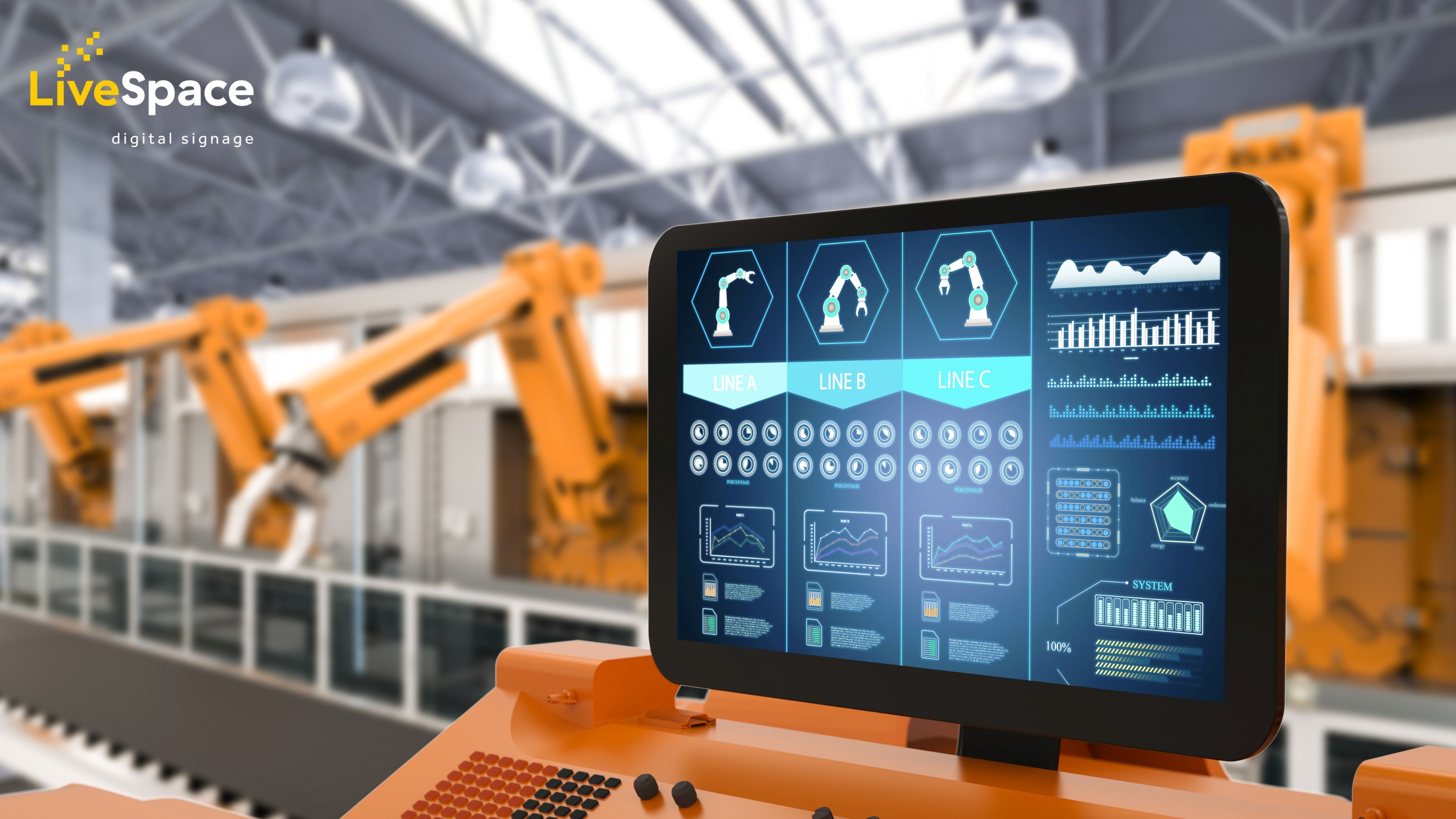
At LiveSpace, we’re excited about the possibilities of bringing Anni’s vision to life using digital signage.
By displaying real-time data and AI-driven insights on screens throughout the factory, we can enhance communication, improve decision-making, and foster a culture of continuous improvement.
Digital signage makes complex data accessible and understandable, empowering workers at all levels to take informed actions.
FAST IS THE NEW SMART
As Anni puts it, “Fast is the new smart.”
The urgency to adopt AI and smart technologies is clear, but the approach must be thoughtful and strategic.
By integrating AI with established methodologies, choosing the right solutions, and leveraging tools like digital signage, manufacturers can navigate this transformation successfully.
